
Blog

How to Frame a Canvas Painting
Art Marketplace
michael@contestseo.com

How to Frame a Canvas Painting

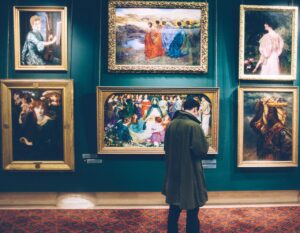
  So, you want to frame a canvas? Framing a canvas painting goes beyond just being a finishing touch; it can also change how the art is perceived. Regardless of your level of experience, knowing how to frame a canvas painting makes all the difference.   Some people think that framing is best left to the experts, but that’s not the case. You can frame a canvas yourself with the right tools. In this article, we’ll walk you through everything you need to know, from canvas types to choosing the best framing style and executing the process with confidence.   Understanding Your Canvas Before Framing   Before framing, you should know the type of canvas you are using, as this will affect how the frame will fit and how the canvas will be mounted.    If you have a stretched canvas, that means the fabric is already pulled tightly over a wooden frame and stapled at the back. It also means that it’s ready to hang, but adding a frame can give it a polished look. On the other hand, an unstretched canvas is rolled or loose and must be stretched before framing to avoid sagging or warping over time.   Since stretched canvas is the most common type, we’ll discuss how to frame that style. Another factor to consider is how the edges of the canvas are treated.   Many modern or abstract artists paint the edges for a finished look that works well without a frame or with a floater frame that leaves the sides visible. If the edges are raw or show staples, a traditional frame would be better, as that would hide the edges.   Choosing the Right Frame for Your Canvas Painting   The right frame affects how the painting is mounted, displayed, and preserved. There are several frame types for canvas paintings.   Traditional Frames   Traditional frames are your classic wooden or metal frames with a lip (or rabbet) to hold the artwork. They’re popular in galleries and museums, and they add a polished, modern look to the piece. They also cover the edges of the canvas, which is great if they’re unfinished or stapled.   Traditional frames can be deep or shallow, all depending on the thickness of the canvas. Most stretcher bars are about ¾ inch to 1½ inches thick, so you choose a frame with a matching rabbet depth.   Floater Frames   Floater frames have also become a favorite for modern artists and collectors. These frames create the illusion that the painting is “floating” within the frame, leaving a gap between the canvas edge and the frame itself. The whole painting remains visible. As this type of frame does not cover the edges.   Floater frames are ideal for contemporary, minimalist, or gallery-style presentations and work best with canvases that have painted or clean sides.   DIY and Ready-Made Frames   For ready-made frames, you can find them at art supply stores, especially for standard canvas sizes. They’re simple to use and cost-effective. You can also build your frame.   Preparing Your Canvas for Framing   Before inserting your painting into a frame, confirm it’s in good condition. This step strengthens the longevity of the piece and prevents issues over time   Check the Structure   Check behind the canvas. Confirm the stretcher bars are sturdy, square, and not warped. The canvas should be tightly drawn and free of sags or loose corners. If necessary, tap in canvas wedges (also called tension keys) into the corners to tighten the fabric.   Clean the Edges   Wipe down the sides of the canvas with a dry cloth to remove any dust or dirt. Don’t use water or solvents, as they can damage the paint.   Consider Adding a Dust Cover   If you need extra precautionary measures, especially for long-term display, you can add a dust cover to the back of the frame once the painting is installed. This protects the art from dirt, insects, and moisture.     How to Frame a Canvas Painting Step-by-Step   Now, let’s break down the actual process of framing your canvas. These steps apply to stretched canvases going into floater or traditional frames.   Step 1: Gather Materials   You’ll need the following items: The canvas painting A frame (floater or traditional) Offset clips or framing brackets Screws and screwdriver (or a power drill) Hanging hardware (D-rings and wire or sawtooth hanger) Optional: spacers, corner braces, and felt pads   Make sure your frame size matches the canvas dimensions or has space to accommodate it without squeezing.   Step 2: Place the Canvas in the Frame   For floater frames, center the canvas inside the frame and ensure the gap between the canvas and frame edge is even on all sides. For traditional frames, the back of the canvas should rest snugly in the rabbet.   Step 3: Secure the Canvas   Use offset clips or L-shaped framing brackets to attach the canvas to the frame. These clips screw into the back of the frame and bend over the canvas stretcher bars to hold everything in place. Confirm the canvas is tightly secured but not crushed.   For deeper canvases, choose longer offset clips. For shallow canvases, shorter clips or spacers may be needed to keep the painting flush.   Step 4: Attach Hanging Hardware   Once the painting is framed securely, attach D-rings to the back of the frame about one-third of the way down from the top. Use picture-hanging wire strung between the rings or opt for a sawtooth hanger for smaller canvases.   Cross-check everything is level and tight before attempting to hang the piece.   Step 5: Final Touches   Add felt pads to the bottom corners of the frame to protect your wall. If you’re displaying the canvas in a gallery or humid environment, a dust cover or moisture barrier may also be useful.   When to Choose Professional Framing   There are situations where you are

Read More »
Smart Tips on How to Sell Digital Art
Art Marketplace
michael@contestseo.com

Smart Tips on How to Sell Digital Art

  Digital art is no longer a niche. It’s everywhere, on websites, in games, in advertising, in galleries, and in online marketplaces. For many artists, this has created new opportunities to earn an income and reach a global audience. But just creating amazing work isn’t enough; you need to also know how to sell it.   Selling digital art goes beyond mere uploading files to a platform. You have to understand the market, build your brand, price correctly, protect your rights, and, finally, engage with potential buyers.    Whether you’re a beginner looking to earn your first dollar or an experienced creator wanting to grow your business, this guide will walk you through the basic steps.   Types of Digital Art   To sell digital art, you have to know what the market wants and where your work fits in. Digital art comes in many forms (illustrations, comics, game assets, animations, NFTs, icons, digital prints), and for every form, it comes it, each has own audience and platform.   Some of the most commercially viable categories for digital art show the growing demand across industries like design, gaming, publishing, and personalized content.   On platforms like Etsy or Society6, the popular category is print-ready art. These are digital pieces created to be downloaded and printed as wall art, posters, or merchandise. Artists usually tailor these for home decor, motivational themes, or trending aesthetics. The main selling point is the fact that it is some form of affordable, accessible art that customers can enjoy immediately without waiting for shipping or dealing with physical inventory.   Commercial illustrations serve a more business-focused audience. These artworks are licensed for use in editorial content, books, product packaging, advertisements, and even branding. Companies and creatives search for visual styles that align with their messaging, making this a profitable route for illustrators who can adapt to client briefs while maintaining a recognizable voice.   Web and UI assets are vital in the digital design space. These include icons, interface elements, web backgrounds, and entire UI kits that developers and designers can incorporate into apps or websites. High-quality, ready-to-use visuals save time and boost the aesthetics of digital products. Selling these assets through marketplaces or personal shops can generate passive income, especially when bundled into themes or design systems.   Game and animation assets are also increasing in demand in demand thanks to the boom in indie game development and digital storytelling. Artists can create characters, sprite sheets, backgrounds, textures, and even modular environments that game developers license for use in their projects. Animators may also need storyboards, concept art, or layered files for motion design. This market rewards artists who can combine creativity with a solid understanding of production pipelines.   Custom commissions enable artists to provide tailored services, like digital portraits, pet illustrations, avatars, and concept art for books, branding, or personal use. These commissions often come through platforms like Instagram, ArtStation, or DeviantArt, and can foster a loyal following when done well. They’re perfect for artists who enjoy connecting with clients and personalizing each piece to individual stories.   Choosing Where to Sell Your Digital Art   There are two main paths to selling digital art: selling through marketplaces or selling independently. Both have pros and cons.   Marketplaces   Online platforms provide a built-in audience and tools to help manage sales, but most time take a commission. Popular marketplaces include: Print-on-demand sites: These let you upload art and sell it on posters, shirts, mugs, and more. Stock image platforms: Here, your work can be licensed for commercial or editorial use. NFT marketplaces: For selling blockchain-based, one-of-a-kind digital art. Digital product shops: Platforms that allow you to sell downloadable files like templates, brush packs, or wallpapers.   Independent Selling   Many artists also sell digital art through their websites or social media. This gives you full control, and you keep more of your revenue, but you’ll need to handle payment, delivery, and marketing yourself.   Many artists mix both strategies, using marketplaces to gain exposure while driving serious buyers to their own platforms.     Preparing Your Art for Sale   Once you’ve chosen where to sell, you need to prepare your digital art for the market.   File Formats and Quality   Make sure your files are high resolution, typically at least 300 DPI for print and with a high pixel count for digital use. Use the proper formats, such as PNG for transparency, JPG for print-ready files, and PSD or TIFF for editable versions.    Keep your files clean and well-labeled by organizing layers, removing clutter, and using clear naming conventions. Some platforms also have file size limits or require specific aspect ratios, so review guidelines before uploading.   Watermarking and Previews   To protect your work from theft, add a watermark to preview images. For downloadable products, show mockups or partial samples to entice buyers without giving everything away.   Pricing Your Digital Art   One of the biggest challenges for artists is deciding how much to charge. Undervaluing your work can undermine your efforts, while overpricing can scare off buyers.   Factors to Consider   When pricing your digital art, factor in the time and effort it took to create, your skill level, and how original or refined the piece is. Research what similar artists are charging to understand the current market demand. Also, consider the rights you’re offering, whether it’s for personal use, commercial use, or full ownership, as each affects value.    Digital art can be sold in different ways, including one-time purchases, limited editions, or licenses, each with its pricing model. For instance, a personal-use digital portrait might go for $30 to $100, while a commercial-use illustration could be priced in the hundreds. Stock art usually sells at a lower price per download, but a high volume of sales can balance that out.   Protecting Your Work   Because digital files are easy to copy, it’s important to protect your intellectual property and ensure you’re getting

Read More »
How to Remix a Song: A Complete Beginner’s Guide
Artists & Creators
michael@contestseo.com

How to Remix a Song: A Complete Beginner’s Guide

  Remixing a song is one of the most creative ways to express your musical voice while building upon someone else’s work. Whether you’re aiming to transform a slow ballad into a club anthem, reshape a pop hit into a lo-fi version, or reinterpret a classic with modern vibes, remixing is where innovation thrives.   While remixing may seem intimidating to newcomers, the process is far more approachable than most imagine. With accessible software, royalty-free stems, and growing online communities, learning how to remix a song has never been easier. This guide walks you through everything you need to know, from understanding the concept of a remix to exporting your final track.   What is a Remix?   A remix is a reinterpretation or rearrangement of an existing piece of music. It retains elements of the original, often the vocals or melody, but changes others such as tempo, instrumentation, rhythm, or genre. The goal is to create a new experience for listeners while preserving the essence of the source material.   Remixes are common in pop, hip-hop, EDM, and even classical music. Artists remix their own songs, producers collaborate across genres, and DJs reimagine radio hits for the dance floor. They serve various purposes, to reach a new audience, revitalize a track, or showcase production talent.   Understanding the Elements of a Song   Before diving into remixing, you need to understand the individual components of a track. Songs are typically made up of several distinct layers: Vocals: These can be lead vocals, background harmonies, or ad-libs. Drums and Percussion: The rhythmic foundation of the song. Bassline: The low-end frequency that supports both rhythm and harmony. Melody and Harmony: Instruments that carry the tune and chords. FX and Transitions: Sounds like risers, drops, and sweeps that guide the listener through different sections.   In remixing, you may choose to isolate and keep certain elements, like the vocal track, while completely replacing others.   Tools You Need to Remix a Song   You don’t need a massive recording studio to start remixing music. With a laptop and a few essential tools, you can get started right at home.   Digital Audio Workstation (DAW)   A DAW is your main software hub for remixing. It allows you to edit audio, add effects, arrange loops, and export your final project. Popular DAWs include Ableton Live, FL Studio, Logic Pro, and GarageBand. Choose one that fits your workflow and experience level.   Audio Files (Stems)   To remix a track, you need access to its individual audio elements, known as stems. These are usually separated into vocals, drums, bass, and other instruments. Artists sometimes release official remix packs with stems. Alternatively, you can extract stems using vocal isolation tools or AI-based software.   Audio Plugins   Plugins enhance your DAW’s capabilities. These include synthesizers, samplers, EQs, compressors, reverb, delay, and more. While not required, they open the door to endless creative possibilities.   Headphones or Studio Monitors   Good sound quality is crucial for mixing and arranging your remix. Invest in decent headphones or monitors that provide a clear, accurate representation of your track.   Step-by-Step Guide to Remixing a Song   Now that you’ve got the tools and understanding, it’s time to remix. Follow these steps to bring your vision to life.   Step 1: Choose a Song and Get the Stems   Pick a song you like, preferably one you connect with or one that has strong melodic or vocal elements. Look for official remix stems from the artist or label. Many tracks come with remix contests where artists release their stems for public use.   If no stems are available, you can use stem separation tools to extract vocals or instruments from the full track. While not always perfect, the results are usable for most remixing purposes.   Step 2: Set the Project Tempo and Key   Import the stems into your DAW and determine the tempo (BPM) and key of the original song. Most stems will follow the same tempo, so set your project accordingly to keep everything aligned.   If you plan to change the style or rhythm of the remix, you can adjust the tempo to fit your vision. Just make sure the pitch and quality of vocals or melodies are not compromised.     Step 3: Analyze the Original Track   Before chopping or rearranging anything, listen to the original several times. Identify what makes the song recognizable, is it the chorus, a catchy melody, or a vocal phrase?   Decide what you want to keep and what you want to change. This will shape your remix’s direction. You might retain the original vocal but build a completely new instrumental. Or you might rework the chord progression while preserving the rhythm.   Step 4: Create a New Beat or Instrumental   This is where your creativity takes the lead. Use MIDI instruments, synths, loops, and samples to build a new arrangement around the elements you chose to keep.   Change the genre if you like, turn an indie rock track into chillwave, or flip a pop ballad into future bass. Experiment with drums, basslines, and harmony to breathe new life into the song.   Layer in your own sounds and effects, and don’t be afraid to try something unexpected. The most memorable remixes often twist the original in surprising ways.   Step 5: Rearrange the Song Structure   You don’t have to follow the original structure. You can cut out verses, extend the chorus, or add a brand-new intro. Feel free to reorder sections to match your remix style.   For example, many dance remixes build up slowly with a long intro, drop into a high-energy chorus, then pull back for a quiet verse. Customizing the structure helps create dynamics and maintain listener interest.   Step 6: Add FX and Transitions   Smooth transitions are crucial for a polished remix. Add risers, sweeps, filters, and reverb tails to move from one section to the next. These

Read More »
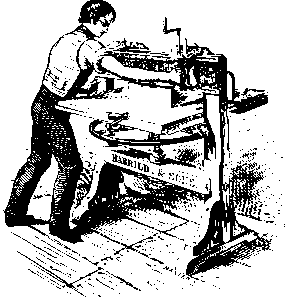
How Did Printmaking Change the Art World?
Art Marketplace
michael@contestseo.com

How Did Printmaking Change the Art World?

  The Renaissance, Modernism, or even the invention of photography, those are what come to mind when we think about groundbreaking moments in art history. But one quiet yet powerful innovation that’s overlooked is printmaking.   Printmaking didn’t come with fanfare, but it opened doors that had been shut off for centuries. Printmaking quietly transformed how we create, view, and share art. It made imagery more accessible, enabled mass production, and gave artists a new way to connect with the public.   In this article, we’ll explore its origins, how it reshaped the art world, and the ways it continues to influence us today.   Types of Printmaking Techniques explained   Let’s start with the basics. What exactly is printmaking? Printmaking is the art of transferring ink from a prepped surface (known as the matrix) onto another material, usually paper or fabric.   Over time, artists and printmakers discovered different ways to bring their visions to life through print. Each method has evolved to fit the materials available and the creative goals at that time.   Woodcut is the oldest known method, dating as far back as ancient China and becoming popular in medieval Europe. Artists carved into wood blocks, inked the raised surfaces, and pressed them onto paper. They were ideal for religious prints and early books.   During the Renaissance and Baroque periods, art evolved, and so did the tools. New methods like etching and engraving became popular. These methods involved metal plates, usually copper, into which artists either scratched (engraving) or used acid to bite lines (etching). The result was an image that could capture depth and emotion, used by artists like Rembrandt and Dürer.   In the 19th century, lithography introduced a new method based on the repulsion of oil and water. Artists drew on flat stones with greasy crayons, allowing for more fluid, spontaneous marks. This method became the go-to in poster design and mass production, making art and advertising more within reach.   Screen printing became popular in the 20th century and became synonymous with pop art, thanks to artists like Andy Warhol. This method pushes ink through a mesh screen onto a surface, using stencils to block areas. Its high-contrast colors and shapes made it perfect for high-impact visual art.   New methods such as monotype and collagraphy appeared in modern printmaking. Monotypes involve painting directly onto a plate and transferring it to paper, producing a one-of-a-kind image with a painterly feel. Collagraphy builds up a textured surface with materials like fabric or cardboard, creating rich prints when inked and pressed.   Despite their differences, these methods share something in common: reproducibility. Unlike singular paintings, prints can exist in multiples, sharing art widely without compromising creativity.   How Printmaking Made Art More Accessible   Before printmaking, each artwork was a limited edition, a single image. Only the wealthy elite had access to original artworks or drawings.   Printmaking changed that. Artists could share their works widely and create several copies of them. By the 15th and 16th centuries, woodcuts and engravings were sold in marketplaces throughout Europe. For the first time, ordinary people could own images or portraits, without needing to hire an artist.   This change made visual culture a part of everyday life. It also laid the foundation for illustrated books, visual storytelling, and eventually, print advertising.   Spreading Ideas and Influences     Art doesn’t exist in a vacuum; it reflects and promotes cultural, political, and philosophical ideas. And printmaking sped up this process.   The Renaissance and Reproducibility   During the Renaissance, printmaking spread classical ideals, scientific discoveries, and artistic methods. Artists like Albrecht Dürer became famous due to the distribution of their engravings. Dürer’s prints traveled far beyond Germany, influencing artists throughout Italy and Northern Europe.   With prints, artists didn’t have to travel to share their work; their ideas could travel as prints. This accelerated the spread of styles and promoted a pan-European artistic dialogue.   Religious and Political Messaging   Printmaking also became a powerful tool for religious and political reform. In the 16th century, Martin Luther used woodcuts and pamphlets to support the Protestant Reformation. Political cartoons and satirical etchings became common ways to criticize leaders or challenge institutions.   Printmaking didn’t just change how art was made; it changed how it was used.   A New Kind of Artist Emerges   Printmaking also redefined what it meant to be an artist. It gave artists new identities and roles.   Artists as Publishers   For many artists, printmaking allowed them to become their publishers. They could control the number of editions, sign and number each print, and sell them to the public without relying on wealthy patrons or large commissions.   This gave artists independence. They could explore personal, political, or unconventional themes not typically accepted in traditional commissioned works.   A Tool for Experimentation   Because prints are usually made in series, artists could use the medium to try out new ideas. In the 20th century, Picasso and Matisse used printmaking to play with color, form, and abstraction. It became a creative playground, not just a tool for replication.   Building Art Movements and Visual Culture   As printmaking became popular, it began to influence individual artists and art movements.   The Rise of Pop Art   In the 1960s, artists like Andy Warhol and Roy Lichtenstein used screen printing to explore consumerism, celebrity culture, and mass media. Screen printing was the perfect medium for a generation questioning originality and authorship.    Street Art and Activism   Today, printmaking is used by street artists and activists. Whether promoting political protests or community art projects, these prints make it easy to spread messages in public spaces.   Modern Uses   Printmaking continues to grow even in the digital world. Artists combine traditional methods with new technologies like laser engraving or 3D printing.   Printmaking in the Digital Age   While digital art can be replicated to infinity, artists still value the traditional prints. The

Read More »
Art Marketplace
michael@contestseo.com

Phasellus commodo lectus sit amet cursus maximus. Morbi suscipit ex a diam gravida.

Phasellus commodo lectus sit amet cursus maximus. Morbi suscipit ex a diam gravida consectetur. Sed ac mollis mauris, at vulputate eros. Mauris maximus rutrum dui ac elementum. Proin quam felis, semper porta fringilla ut, efficitur sit amet lorem. Fusce iaculis rhoncus magna molestie interdum. Nullam ut maximus erat. Nulla facilisi. Ut semper tortor vitae purus ornare hendrerit. Duis convallis sollicitudin lorem nec ultrices.

Read More »
Art Marketplace
michael@contestseo.com

Lorem ipsum dolor sit amet, consectetur adipiscing elit. Proin sem enim ipsum

Lorem ipsum dolor sit amet, consectetur adipiscing elit. Proin sem enim, pulvinar aliquam nunc ac, blandit mattis ex. Morbi hendrerit felis libero, ac vehicula odio facilisis sit amet. Donec porta justo non sapien vulputate, id convallis nunc luctus. Orci varius natoque penatibus et magnis dis parturient montes, nascetur ridiculus mus. Suspendisse mi ligula, finibus a lacus nec, aliquam sodales felis. Curabitur eu lacus sodales, consectetur libero non, lacinia quam. Etiam convallis odio ut sapien tristique malesuada. Donec eleifend sem nisi, vel venenatis metus dignissim ac. Curabitur luctus finibus massa, at tincidunt nisl condimentum ut. Nulla non tempor sem. Nulla fermentum eget arcu facilisis eleifend. Integer euismod mi aliquet, laoreet justo at, mattis tellus. In sed consequat elit.

Read More »